The Fenner Decolonising Research and Teaching Circle is a space for yarning about the interconnections between land, water, biota, climate and Indigenous cultures with a focus on understanding how these synergies can best inform our research and teaching. It is an Indigenous and non-Indigenous-founded and held space, grounded by a Custodian Circle of Traditional Owners and an Indigenous-majority Convenors Circle.
Hosted by the Fenner School of Environment & Society at the Australian National University, the Fenner Circle is open to early career scholars and lecturers/tutors involved in Indigenous-related studies and teaching, and/or undertaking research on or near Indigenous people or their places. You can learn more about the story of the Circle’s development, from its founders, here.
To join the Circle, simply click the “Yuma” button at the top left corner of this site, and say yuma!
We welcome members from across the Australian National University community. While focused on environmental sciences, we are kept active through members from the College of Arts and Social Sciences, the College of Asia and the Pacific, and the College of Systems and Society.
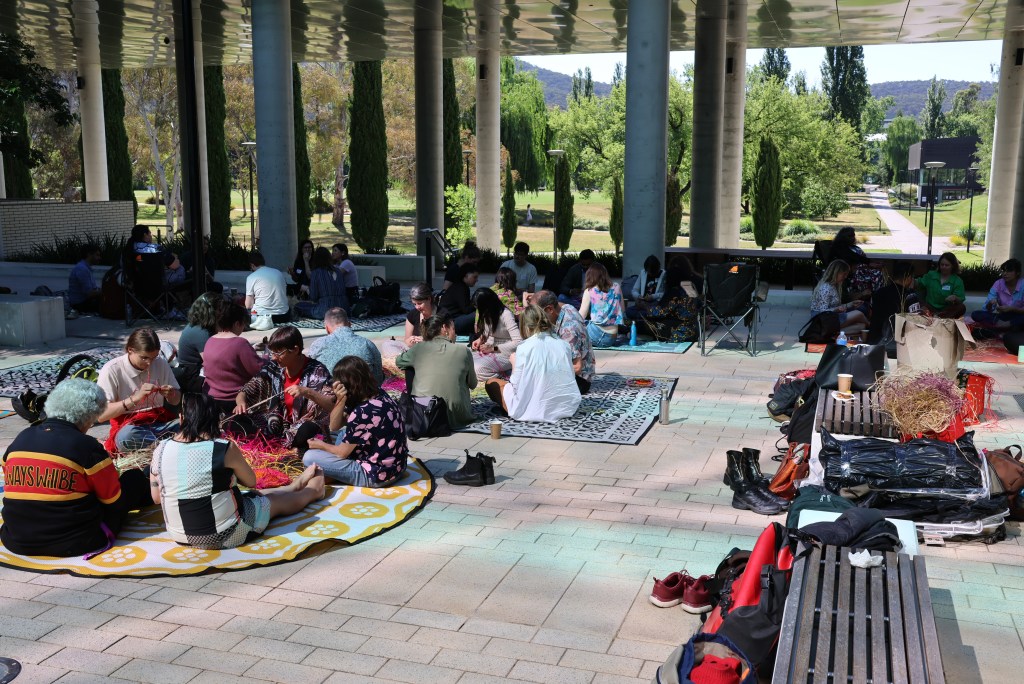
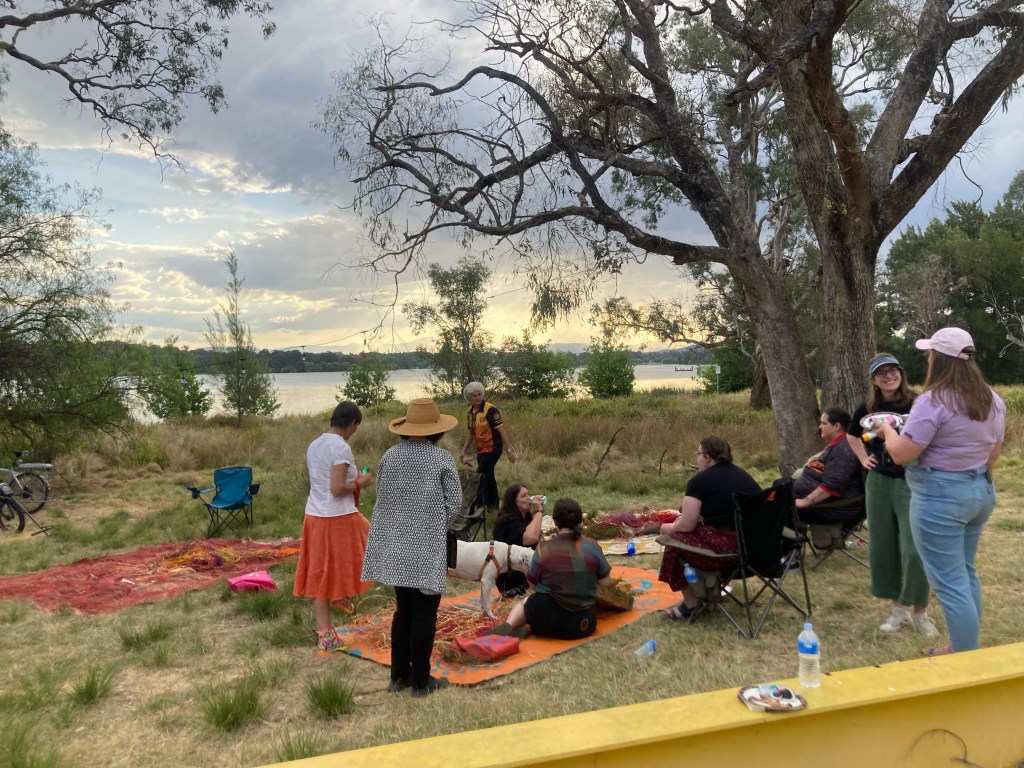
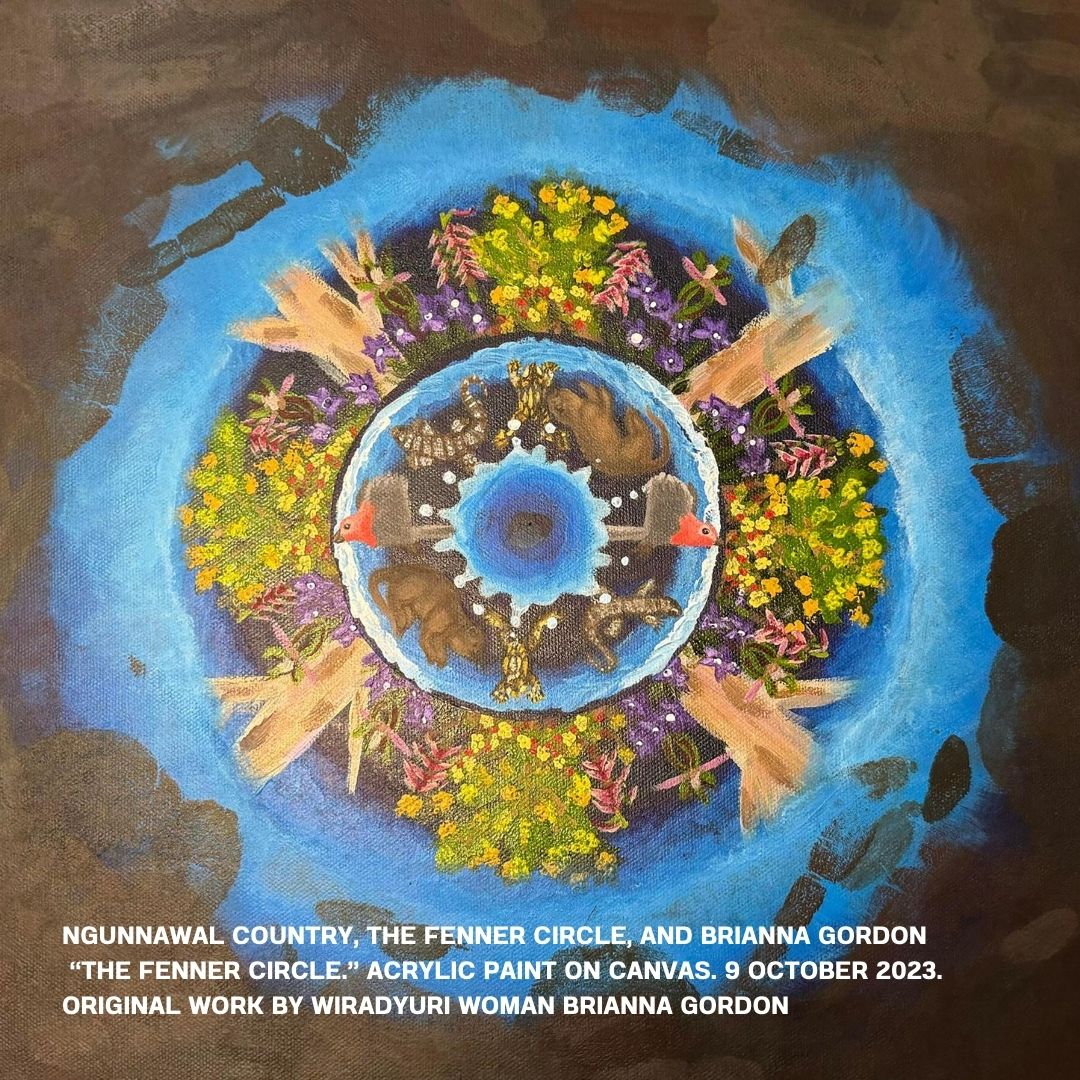
Circle aims
A key outcome of the Fenner Circle is to promote a better understanding of Indigenous peoples’ cultures, histories, knowledges and perspectives, so that we are better equipped to embed Indigenous modes of teaching and learning in our curriculums and research.
While many of our yarns will be grounded in the culture, language and protocols of First Peoples whose nations make up the Australian continent, we wish to develop a globally focused, outward-looking approach that aligns with the international Indigenous people’s movement.
An active Circle
The Fenner Circle’s activities are inclusive and varied. Circle activities include:
– Guiding Decoloyarns with the support of the Editorial Circle and Convenor;
– Writing and convening a special edition publication concerning decolonising research and learning, written by our members and reviewed by First Peoples;
– Coordinating an on-campus poster-bombing campaign;
– Speaking at Higher Degree Research seminars and symposia;
– Field trips;
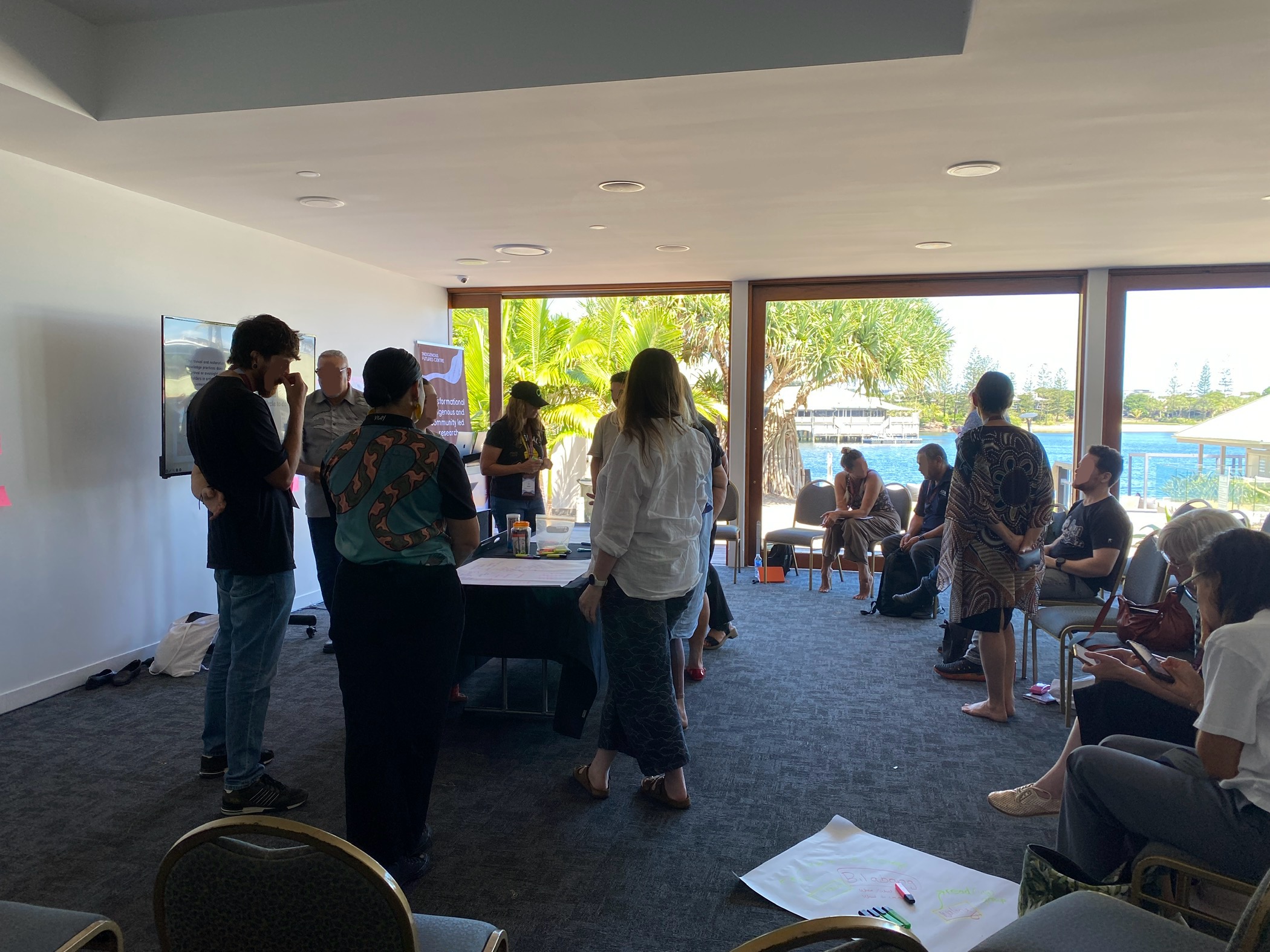
– Presenting our work at the 2023 AIATSIS Summit on Noongar Country, and the 2025 Indigenous Futures Conference on Kabi Kabi Country.
– Shaping Indigenous-centred spaces and hosting yarning circles as part of the orgnising committee at AusSTS 2024 on Ngunawal Country;
– Publication activities, such as this paper in Environmental Justice;
– Coordinating a protest panel to protect the Environmental Studio at ANU School of Art;
– Extending formal recommendations to the Australian Research Council regarding Indigenous research and the 2025 policy review of the National Competitive Grants Program.
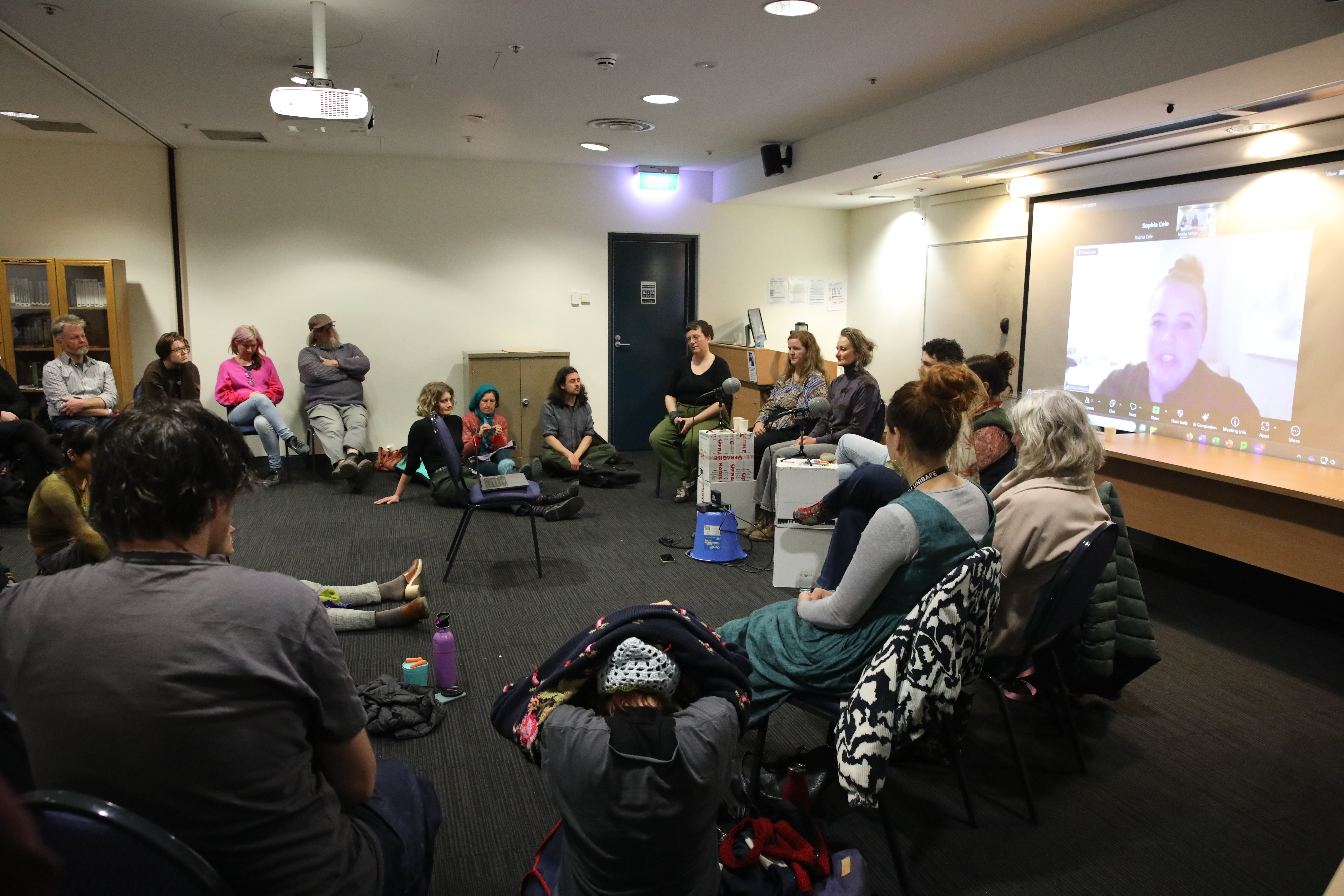
 Decoloyarns